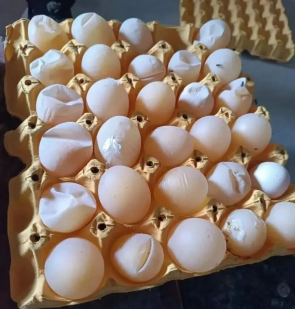
Poor Eggshell Quality? Master 3 Dimensions to Perfect Your Eggshells
How important is an eggshell? A 1% increase in breakage rate can cost over $3,000 annually for 10,000 laying hens! ZHENGZHOU OUKE MACHINERY CO., LTD. offers targeted solutions across nutrition, management, and disease control to help you achieve “egg beauty” effortlessly.
How important is an eggshell? A 1% increase in breakage rate can cost over $3,000 annually for 10,000 laying hens! Frequent issues like thin shells, sandy shells, or cracked eggs? ZHENGZHOU OUKE MACHINERY CO., LTD. offers targeted solutions across nutrition, management, and disease control to help you achieve “egg beauty” effortlessly.
Step One: Nutritional Formulation - Building Stronger Shells
Calcium-Phosphorus Ratio: The Golden 5:1approximately 6:1
Calcium: 3.5%-4.0% during laying period (60% granular calcium, e.g., oyster shells or limestone). Nighttime feeding directly supplements calcium for shell formation.
Phosphorus: 0.35%-0.4% available phosphorus (total phosphorus 0.55%-0.65%). Low phosphorus weakens shells; excess blocks calcium absorption (avoid overusing bran or high-phosphorus ingredients).

Nutritional Formulation
Vitamins & Trace Minerals
- Vitamin D3: Boosts calcium absorption. Deficiency reduces shell thickness by 20%-30%.
- Vitamin A: Maintains oviduct mucosa integrity, reducing sandy shells.
- Zinc: Critical for shell membrane formation. Zinc methionine recommended to prevent thin/rough shells.
- Manganese: Organic Mn (e.g., Mn-methionine) prevents porous/fragile shells.
- Selenium: Enhances shell strength; deficiency increases white-shelled eggs.
Step Two: Management - Minimizing “Physical Damage”
Environmental Stress: The Silent Enemy
- Temperature greater than 28°C: Reduces shell thickness by 5%, raises breakage by 30%. Use cooling pads + fans to limit temperature fluctuations ≤3°C.
- Lighting Disruptions: Sudden power outages or irregular light cycles cause oviduct spasms, leading to deformed eggs. Use backup power + timed lighting controllers.
- Handling Stress: Frequent disturbances disrupt shell gland secretion. Designate 1 fixed day weekly for flock management.
Equipment Optimization: Protecting Eggs
- Egg Collection: Adjust conveyor belt slope to 8°-10° (steeper slopes increase collisions). Inspect egg trays every 2 hours; target breakage less than 1%.
- Waterers: Leaky nipples cause moldy eggs. Clean weekly with specialized tools; keep leakage less than 5%.
- Cage Design: Wire spacing 2.5cm×5cm (too narrow traps eggs; too wide causes rolling). Grind sharp welds to reduce mechanical damage.

Equipment Optimization
Step Three: Disease Control - Tackling Internal Flaws
Oviductitis: The Beauty Killer
Symptoms: Blood-stained shells, speckled/misshapen eggs, 10%+ drop in lay rate.
Viral Diseases: Shell Destroyers
- Infectious Bronchitis (IB): Nephropathogenic IB in young hens causes permanent oviduct damage (“rough-shelled eggs”). No cure—cull affected birds.
- Avian Influenza/Newcastle Disease: Triggers pale/fragile shells. Monitor HI antibody titers (greater than 8 log2); vaccinate promptly with H9N2+IB+ND combo vaccines.
Parasites: Nutrient Thieves
- Coccidia/Roundworms: Damage gut lining, impair calcium absorption, and increase sandy shells.
ZHENGZHOU OUKE MACHINERY CO., LTD. - Your Partner in Poultry Excellence!
Tags
Related News
Discover more articles that might interest you
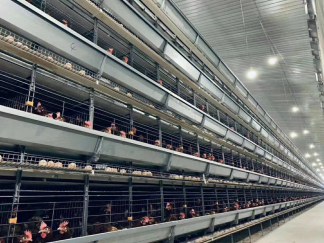
Advantages and disadvantages of A-type and H-type chicken cages
H-type and A-type chicken cages are two common types of poultry equipment for raising laying hens. They have different features and benefits, as well as some drawbacks.
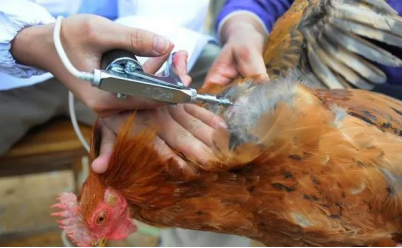
Golden Management Secrets for Peak Egg Production in Laying Hens
The period from 120 to 180 days of age is critical for the development of the reproductive system, energy reserves, and peak egg production in laying hens. ZHENGZHOU OUKE MACHINERY CO., LTD. has compiled six core strategies for success.
Key Processes and Common Issues of Chicken Feed
This article outlines key processes and common issues encountered in chicken feed production, highlighting the importance of ingredient preparation, mixing, and delivery.