Advantages and disadvantages of A-type and H-type chicken cages
H-type and A-type chicken cages are two common types of poultry equipment for raising laying hens. They have different features and benefits, as well as some drawbacks.
H-type and A-type chicken cages are two common types of poultry equipment for raising laying hens. They have different features and benefits, as well as some drawbacks. In this essay, I will compare and contrast these two types of chicken cages and provide some suggestions for choosing the best one for your farm.
H-Type Chicken Cages
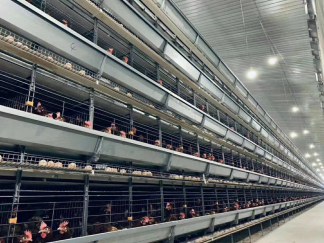
H-type chicken cages are named after their shape, which resembles the letter H. They are stacked vertically on top of each other, like buildings. This type of chicken cage was invented later than the A-type chicken cage, but it has a more dense structure, a higher space utilization rate, and more poultry per unit of land area. It was invented to meet the increasing demand for poultry consumption with the growth of the global population.

H-Type Chicken Cage
Advantages of H-Type Chicken Cages:
- They save more floor space, increase the number of feeding, reduce labor and management costs, and ultimately bring considerable profits to chicken farmers.
- There is a manure removal belt at the bottom of each cage, which is clean and hygienic, allowing the chickens to grow healthily and less pollution to the environment.
- They have a small footprint, high space utilization, easy to achieve intensive and large-scale breeding.
- They have a sliding cage door, which is convenient and large, and it is easier to catch chickens.
Disadvantages of H-Type Chicken Cages:
- They require a closed type and automatic temperature control, otherwise it is difficult to control the temperature inside the chicken house.
- There are at least tens of thousands of chickens in a chicken house, and the risk factor is relatively high.
- They have a higher initial investment and maintenance cost than the A-type chicken cages.
A-Type Chicken Cages
A-type chicken cages are also named after their shape, which resembles the letter A. They are arranged horizontally, like a ladder. They are a relatively early type of laying hen breeding equipment. They are suitable for small and medium-sized farms, with a capacity of 5000-30000 birds.

A-Type Chicken Cage
Advantages of A-Type Chicken Cages:
- They have a simple structure, easy to operate and maintenance.
- They have a lower cost of production than the H-type chicken cages.
- They have good ventilation and uniform illumination, which is beneficial for the health and welfare of the chickens.
- They have a small group size, resulting in a low incidence of social friction.
Disadvantages of A-Type Chicken Cages:
- They occupy a larger area than the H-type chicken cages, and the space utilization rate is low.
- They have a high labor intensity for workers.
- The chicken manure on the upper tier of the chicken cage will fall to the chickens on the lower tier, which is not conducive to the health of the chickens and the integrity of the feathers.
- They lack physical and psychological space for the hens, lack of exercise, lack of nesting and dust bathing opportunities, resulting in a higher incidence of metabolic disorders and foot lesions, and severe frustration for many birds each time an egg is laid.
Based on the above comparison, I suggest that you choose the type of chicken cage that suits your needs according to your total amount of laying hens, your budget, your land area, your management level, and your animal welfare standards. Both types of chicken cages have their pros and cons, and you need to weigh them carefully before making a decision.
ZHENGZHOU OUKE MACHINERY CO., LTD. - Your Partner in Poultry Excellence!
Tags
Related News
Discover more articles that might interest you
Poor Eggshell Quality? Master 3 Dimensions to Perfect Your Eggshells
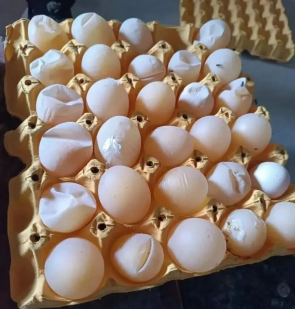
How important is an eggshell? A 1% increase in breakage rate can cost over $3,000 annually for 10,000 laying hens! ZHENGZHOU OUKE MACHINERY CO., LTD. offers targeted solutions across nutrition, management, and disease control to help you achieve “egg beauty” effortlessly.
Golden Management Secrets for Peak Egg Production in Laying Hens
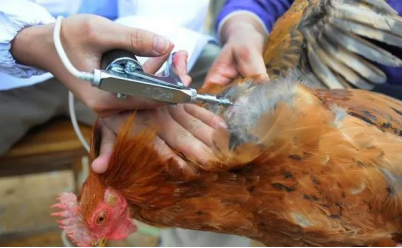
The period from 120 to 180 days of age is critical for the development of the reproductive system, energy reserves, and peak egg production in laying hens. ZHENGZHOU OUKE MACHINERY CO., LTD. has compiled six core strategies for success.
Key Processes and Common Issues of Chicken Feed
This article outlines key processes and common issues encountered in chicken feed production, highlighting the importance of ingredient preparation, mixing, and delivery.