Golden Management Secrets for Peak Egg Production in Laying Hens
The period from 120 to 180 days of age is critical for the development of the reproductive system, energy reserves, and peak egg production in laying hens. ZHENGZHOU OUKE MACHINERY CO., LTD. has compiled six core strategies for success.
The critical period from 120 to 180 days of age marks the development of the reproductive system, energy reserves, and peak egg production in laying hens. Any oversight in management can lead to delayed peaks, suboptimal yields, or disease outbreaks. ZHENGZHOU OUKE MACHINERY CO., LTD. has compiled six core strategies for success.
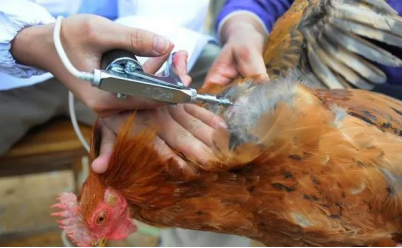
Step One: Vaccination - Fortify the First Line of Defense
Essential Vaccines:
Triple Vaccine (ND+IB+EDS): Administered at approximately 120 days to combat Newcastle disease, infectious bronchitis, and egg drop syndrome.
Avian Influenza (H5+H9): Three doses each, completed by 150 days.

Vaccination Process
Step Two: Environmental Hygiene - Create a "Sterile Sanctuary"
Deep Cleaning: Remove cobwebs, dust, manure buildup, and feathers from ceilings, walls, and walkways.
Disinfection Protocol:
- Indoors: Spray iodine-based or potassium peroxymonosulfate solutions for 3 consecutive days.
- Outdoors (50m radius): Disinfect once to eliminate pathogens like E. coli and influenza viruses.
Nipple Drinker Checks: Replace leaky nipples to prevent wet feathers and respiratory stress.
Step Three: Lighting Management - Accelerate Follicle Development
Initial Schedule: 12 hours/day (7:00 AM to 8:30 AM and 4:00 PM to 7:00 PM) with clean, bright bulbs.
Gradual Adjustment: Increase daily light by 30 minutes weekly (15 minutes earlier + 15 minutes later) until stabilizing at 16 hours/day by 165 to 180 days.
Warning: Excess light causes vent pecking; insufficient light reduces egg output.

Environmental Control
Step Four: Environmental Control - Optimize Comfort
Ventilation:
- Minimum 4 cycles/day (20 minutes each) to keep ammonia below 10 ppm (prevents respiratory damage).
Temperature & Humidity:
- Ideal Range: 18 to 23°C, 55 to 65% humidity.
- Spring Precautions: Use windshields to prevent drafts and sprinkle water to humidify dry floors.
Stress Reduction: Avoid sudden disturbances to prevent egg drops, feather pecking, or yolk peritonitis.
Step Five: Feed Management - Fuel for High Yield
Quality Standards:
- Corn: Moisture below 14% (non-sticky when squeezed).
- Soybean Meal: Fresh aroma (no mold or sour odor).
- Limestone: Calcium greater than or equal to 35%.
Aflatoxin Alert: Even 1% moldy grains reduce feed intake and damage liver function.
Daily Routine: Scrape leftover feed 1 hour before lights-off to prevent spoilage and diarrhea.
Step Six: Daily Monitoring - Data-Driven Success
Daily Metrics:
- Feed Intake: Approximately 110g/bird/day; alert if drops more than 5%.
- Egg Production Rate: Aim for greater than or equal to 90% by 180 days.
- Droppings: Healthy feces are gray-brown and formed; watery/green droppings signal issues.
Weekly Checks:
- Eggshell Quality: Breakage more than 1% indicates calcium deficiency or stress.
- Uniformity: Greater than or equal to 85% of hens should weigh within plus or minus 10% of average (test 30 birds)
ZHENGZHOU OUKE MACHINERY CO., LTD. - Your Partner in Poultry Excellence!
Tags
Related News
Discover more articles that might interest you
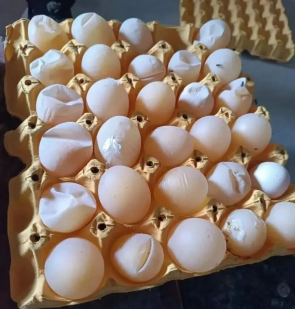
Poor Eggshell Quality? Master 3 Dimensions to Perfect Your Eggshells
How important is an eggshell? A 1% increase in breakage rate can cost over $3,000 annually for 10,000 laying hens! ZHENGZHOU OUKE MACHINERY CO., LTD. offers targeted solutions across nutrition, management, and disease control to help you achieve “egg beauty” effortlessly.
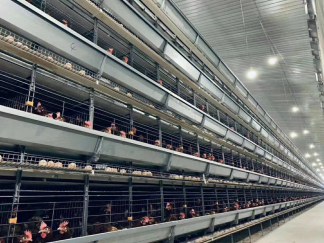
Advantages and disadvantages of A-type and H-type chicken cages
H-type and A-type chicken cages are two common types of poultry equipment for raising laying hens. They have different features and benefits, as well as some drawbacks.
Key Processes and Common Issues of Chicken Feed
This article outlines key processes and common issues encountered in chicken feed production, highlighting the importance of ingredient preparation, mixing, and delivery.