Key Processes and Common Issues of Chicken Feed
This article outlines key processes and common issues encountered in chicken feed production, highlighting the importance of ingredient preparation, mixing, and delivery.
This article outlines key processes and common issues encountered in chicken feed production, highlighting the importance of ingredient preparation, mixing, and delivery.
1. Bulk Ingredient Preparation
Abnormal Raw Materials:
- Clumping, mold, or impurities → Product quality defects.
Scale Calibration Errors:
- Uncalibrated weighing scales → Ingredient measurement inaccuracies, formula errors, and workflow disruptions during re-weighing.
Formula Verification Lapses:
- Using incorrect formulas → Misdosing of bulk ingredients, production delays.
Post-Mixing Cleanup Neglect:
- Cross-contamination due to uncleaned workspaces → Ingredient waste or compromised quality.
Disorganized Material Storage:
- Unlabeled batches → Difficulty in handling, misplacement, and workflow interruptions.

Bulk Ingredient Preparation
2. Minor Ingredient Preparation
Incorrect Dosage:
- Ignoring formula specifications → Misdosing of additives, rework delays.
Unsystematic Mixing:
- Chaotic workspace → Duplicate dosing or overuse of additives.
Expired/Defective Additives:
- Unchecked production dates or ingredient degradation → Quality failures.
Scale Inaccuracies:
- Uncalibrated minor ingredient scales → Dosing errors and rework.
3. Material Handling & Re-Weighing
Batch Verification Gaps:
- Unverified bulk/minor ingredient batches → Missed or misallocated materials.
Leakage Oversights:
- Unrepaired torn packaging → Workflow halts during re-weighing.
Inconsistent Batch Separation:
- Mixed batches → Feeding errors, cross-contamination, or reprocessing.
4. Mixing & Processing
Unfiltered Ingredients:
- Unsieved materials → Clumped or unevenly mixed products.
Residual Cross-Contamination:
- Uncleaned feed ports → Ingredient mixing errors.
Incorrect Mixer Operation:
- Starting the mixer after loading → Equipment damage or uneven blending.
Valve Malfunctions:
- Unchecked air valves → Cross-mixing or quality defects.
Inconsistent Mixing Time:
- Unauthorized adjustments → Segregation or uneven texture.

Mixing & Processing
5. Packaging & Storage
Unverified Labels:
- Mismatched product vs. packaging → Shipping errors.
Uninspected Final Products:
- Clumps, impurities, or uneven mixing → Quality rejections.
Chaotic Storage:
- Unlabeled stacks → Premix misuse and cross-contamination.
6. Final Product Delivery
Unverified Shipments:
- Incorrect product deliveries → Quality incidents.
Unemptied Silos/Trucks:
- Residual materials → Cross-contamination risks.
ZHENGZHOU OUKE MACHINERY CO., LTD. – Your Partner in Poultry Excellence!
Tags
Related News
Discover more articles that might interest you
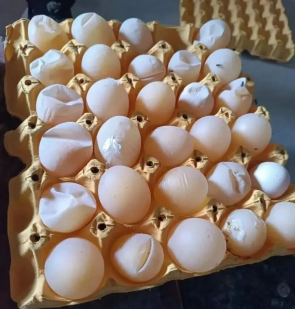
Poor Eggshell Quality? Master 3 Dimensions to Perfect Your Eggshells
How important is an eggshell? A 1% increase in breakage rate can cost over $3,000 annually for 10,000 laying hens! ZHENGZHOU OUKE MACHINERY CO., LTD. offers targeted solutions across nutrition, management, and disease control to help you achieve “egg beauty” effortlessly.
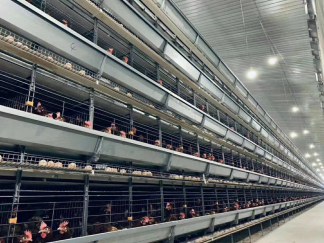
Advantages and disadvantages of A-type and H-type chicken cages
H-type and A-type chicken cages are two common types of poultry equipment for raising laying hens. They have different features and benefits, as well as some drawbacks.
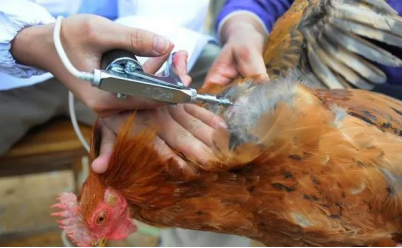
Golden Management Secrets for Peak Egg Production in Laying Hens
The period from 120 to 180 days of age is critical for the development of the reproductive system, energy reserves, and peak egg production in laying hens. ZHENGZHOU OUKE MACHINERY CO., LTD. has compiled six core strategies for success.