Which Breed of Laying Hens is More Low-Maintenance and Profitable?
There are many breeds of laying hens, each with distinct production performance and characteristics. Selecting the right breed doesn
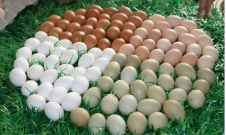
There are many breeds of laying hens, each with distinct production performance and characteristics. Selecting the right breed doesn't need to be overwhelming—a simple approach is to reference successful local farms. Visiting large-scale farms or consulting experienced farmers nearby can provide practical insights. So, which breed is easier to manage and more profitable? Let’s analyze the pros and cons of popular breeds.
Classification by Eggshell Color
1. Brown-Shell Layers
Advantages: Hardy, cold-resistant, large egg size, low pecking tendency, and low mortality.
Disadvantages: Larger body size, higher feed intake, increased risk of fatty liver disease in later stages, and eggshell quality issues (e.g., speckled eggs).
2. Pink-Shell Layers
Advantages: Smaller size, lower feed consumption, strong adaptability, attractive eggshell appearance, and high nutritional value.
Disadvantages: Sensitive temperament, weaker stress resistance, prone to pecking (especially in open/semi-open coops), making them better suited for intensive closed-house systems.
3. Green-Shell Layers
Advantages: Premium pricing (sold by the piece), stronger eggshells (30% more durable than regular eggs), and higher selenium content.
Examples: Dongxiang Green-Shell and Wuji chickens.

Brown-Shell Layers
Breeds by Source
Common breeds include Hy-Line, Lohmann, Yukou Jing, Dawu Golden Phoenix, and Nongda series 215. While brown-shell breeds were historically dominant, pink-shell varieties are gaining popularity due to improved breeding techniques and regional market preferences for smaller, premium-priced eggs.

Pink-Shell Layers
Key Recommendations for Breed Selection
- Prioritize brown-shell layers for poorly equipped coops due to their hardiness.
- Align with local market demand—e.g., green-shell eggs command higher prices in certain regions.
- Focus on management skills. Even the same breed can show significant differences in egg production (e.g., 5%+ variance) and mortality rates due to varying management practices. Continuous learning and professional training are critical to maximizing profitability.
For detailed performance data on popular breeds, contact our company for reference materials.
ZHENGZHOU OUKE MACHINERY CO., LTD. – Your Partner in Poultry Excellence!
Tags
Related News
Discover more articles that might interest you
Poor Eggshell Quality? Master 3 Dimensions to Perfect Your Eggshells
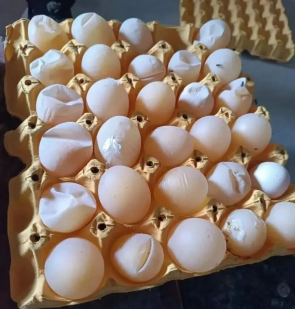
How important is an eggshell? A 1% increase in breakage rate can cost over $3,000 annually for 10,000 laying hens! ZHENGZHOU OUKE MACHINERY CO., LTD. offers targeted solutions across nutrition, management, and disease control to help you achieve “egg beauty” effortlessly.
Advantages and disadvantages of A-type and H-type chicken cages
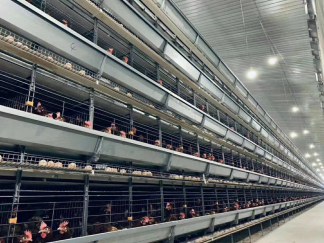
H-type and A-type chicken cages are two common types of poultry equipment for raising laying hens. They have different features and benefits, as well as some drawbacks.
Golden Management Secrets for Peak Egg Production in Laying Hens
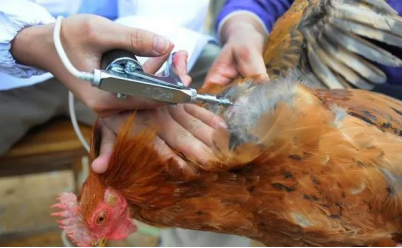
The period from 120 to 180 days of age is critical for the development of the reproductive system, energy reserves, and peak egg production in laying hens. ZHENGZHOU OUKE MACHINERY CO., LTD. has compiled six core strategies for success.